


The Russian roots of Silicon Valley’s vision for biological immortality.





When Michael Wear briefed senior political leaders, he always included a simple slide showing how many Americans identify as religious. Once, one of them looked at it and said out loud, “Oh my God, there are that many of them?” Michael tells that story to make a point Christians often miss: when Democrats seem cold toward people of faith, it isn’t always hostility. Sometimes it’s just ignorance.
Recorded at the Center for Christianity and Public Life’s summit in Washington, D.C., this conversation with CCPL’s founder and former Obama faith adviser asks why the Democratic Party keeps forgetting how to talk about faith.
Matthew Kaemingk: Well, welcome back, friends. We are recording. For those of you who are watching us on YouTube, you’ll notice that we are in a different location today—on location at the summit for the Center for Christianity and Public Life. And we’re actually here to talk with the director of that wonderful summit. Shadi and I just did a little interview on stage on our new book. And Michael Wear is a dear friend, a wonderful and respected leader here in Washington, D.C. He’s written a number of fantastic books on faith and politics. And before we jump into our conversation—our conversation today is going to be focused on the place of religion and faith in the Democratic Party. But before we jump into that, Michael, I wonder if you might just share a little bit about the CCPL and the summit, you know, what we’re all doing here. What’s your vision for this?
Michael Wear: Yeah, so love being with you guys. Thanks for having me on. So the Center for Christianity and Public Life was founded four years ago with the mission to contend for the credibility of Christian resources in public life for the public good. And this summit has become a significant—a convening point, not just for our community of civic leaders, but I think so often when the public sees Christians gathering to talk about politics or public life, they know it’s about them but aren’t quite confident it’s for them. And so, you know, we’re pretty obvious with our naming here. You know, the Center for Christianity and Public Life—there’s not, like, a—you know, we’re not, like, a Latin term. That’s how you know we’re not hiding the ball here. And the name of our summit is For the Good of the Public. And we think there are too often—people try to claim too much for what is mandated by Christianity in politics. But one thing I feel relatively comfortable saying is that when Christians show up in politics, their activity, their orientation essentially has to be oriented towards the good of others, has to be motivated by love, by the willing of the good. And if it’s not, it’s not Christian in its character. Now, that doesn’t—we’ll get into this maybe, but that doesn’t mean that everyone has to receive it as for their good. Politics involves contestation, as you both talk about often. But the orientation of the heart of the Christian in politics ought to be towards the good. And that’s what we’re trying to display here.
Shadi Hamid: Let’s now talk a little bit about your own personal evolution. I’d actually just be curious, like, when you became—and an evangelical. I don’t know to what extent you embrace that term these days. But maybe start with that and then walk us into the fact that you became Barack Obama’s evangelical outreach director at a pretty young age, where you were on the front lines of trying to talk to progressives and liberals about faith, which is not an easy task, as we know.
Michael Wear: Yeah, so I became a Christian at fifteen. I’m from Buffalo, New York. Grew up in a big Italian Catholic family, but at least growing up, it seemed like no one really believes this stuff. Now, I’ll say, as I look back on my childhood, I have a lot more nuance about that. Think of, like, my aunt who, while everyone else was in the living room, was sitting in the kitchen thumbing her rosary. So my views have changed on that. But growing up, it just felt like religion was sort of the backdrop for our lives. It was a reason to gather, but no one really believes this stuff.
When I was fifteen, a number of things happened. The principal thing was I was handed a tract of Romans, Paul’s letter, and it changed my life. So I became a Christian. I thought at that point I should go to seminary, become a pastor. Thankfully, a pastor in my life said, “You know, Michael, there are Christians who aren’t pastors.” And that was helpful. I was interested in civics long before I was interested in Jesus. And so this vocational question of what does it mean to be faithful in and with public things was something that was there when I was sixteen, seventeen.
I came to D.C., went to George Washington University, and during my freshman year, I met Barack Obama in the lobby of a hotel and told him I wanted to work for him. He’d given a speech in 2006 in which—which the two of you write about in your book—in which he said that it was wrong for left-wing secularists to ask people of faith to leave their faith outside of politics. He called it a practical absurdity. He said our laws are by definition a codification of morality. And so it was practically absurd to ask one group of people to somehow disintegrate and disconnect themselves from the source of their value.
That meant a lot to me as someone—you know, I came to faith as the Bush years were beginning to sour, as you’ve written about, and we’ve talked about a lot. A lot of the conversation about faith in public life today is very reminiscent of what the sort of late Bush years were about. Then it was about theocracy. Now we talk about Christian nationalism, but there are some real—and so my coming to faith was not only, like, do I believe these things about Jesus? It was—what are the sociological implications of joining, identifying as an evangelical at a time when evangelicalism is not publicly favoured, at least to the extent of—well, not publicly favoured to the extent that it was maybe thirty years ago.
So that was significant. I met Barack Obama ten months later. I was in Iowa. I did not have much of an imagination for what would follow from that. I’m a blue-collar kid from Buffalo. I admired him—so much of, again, what he said about faith, but also aspects of his vision were important. And he ended up winning that campaign. And I was the youngest American—the youngest White House staffer in modern American history.
Shadi Hamid: How young were you?
Michael Wear: I was twenty when I started, maybe, like, a—I don’t think I’ve ever said this in, like, a recorded—five months in the White House. You work long hours. People would say, “We can move this now to the bar.” And I’d kind of be like, “Guys, I’m so sorry. The president’s really loaded me up with work.” Of course, I just didn’t want to get carded. And then all of a sudden, my birthday rolls around, and all of a sudden, I can go out after.
Shadi Hamid: Yeah, the president just has me loaded up.
Michael Wear: Yeah, that’s right.
Matthew Kaemingk: Oh, wonderful. So I’m wondering, you know, if we could sort of zoom out to, you know, broader for the Democratic Party and faith. When Obama is saying this is an absurdity and the Democratic Party needs to be more engaged with faith, how did we get to that point from—I’m thinking of the 1970s, when Jimmy Carter is the president, deeply evangelical, teaching Sunday school, very much you have faith as a part of the Democratic Party and rhetoric. Can you take us through the ’80s and ’90s? What’s going on in the Democratic Party at that time?
Michael Wear: Yeah. I mean, there are a number of things to say here. I mean, I think the more immediate history is that, frankly—not talking about John Kerry the man, but John Kerry’s campaign was probably, up to that point, the most religiously inept candidacy—national campaign Democrats had ever run. And so that was the immediate history, which was the God gap was identified as a primary reason why Democrats lost. And so Barack Obama, just two years later, with a potential campaign on the horizon, was—to signal—E. J. Dionne called it the most significant speech on religion that an American political figure had given since JFK’s speech at the Baptist—to the Baptists in Houston. So that was, like, the more immediate history.
A few things happened. One—and I think your audience will be largely familiar with this history, and I believe you’ve done an episode focusing on sort of the Republican side—Republicans started asserting themselves, and public religious figures on the right started asserting a sort of alliance between Republicans and people of faith and religion. Reagan infamously—famously says, you know, “I can’t endorse—you can’t endorse me, but I endorse you,” to a gathering of evangelicals. That’s sort of very symbolic of sort of a relationship that was developing. I think there was almost a natural reaction against that in a two-party system. So, well, if they’re claiming, we’ll react against that. So that’s part of what happened.
I do think the moral failings of the Clinton presidency are a reason why George W. Bush was elected, and that sort of—the things that Democrats felt like they had to say to defend the party’s leader, A, paved the way for George W. Bush, but also led to a kind of—taking a particular path at that crossroads in history. And I think you also have a Democratic Party that is increasingly becoming more heady at the time. More, as you all just discussed on our stage, a self-conscious, enlightened sort of cosmopolitan party that was increasingly—and we’ve certainly seen this develop, but it was already starting in 2000, 2004—unmoored from the working class that you would associate with the Democratic Party of FDR and Truman and that sort of thing. So all these sort of factors are swimming there.
I think you also just have to map on that—demographic destiny is a problem in so many ways for the Democratic Party. I think it’s under-discussed, the kinds of foolish assumptions that were made as we started seeing decline in church attendance, rise of religious disaffiliation. You had prominent pollsters, prominent progressive sort of advocates and Democratic strategists arguing—including some of those who ran national presidential campaigns—say, like, “We just don’t need religious voters anymore. Like, haven’t you seen the numbers? Religion is declining.” As I’ve argued, and I’m sure we’ll get into this, it’s true, religious decline has happened. It is still difficult to find anything that Americans share more in common—not gender, not race, not favourite football. It’s hard to find anything that Americans share more in common than religious belief. More Americans believe in God than are male or female, more than any. And so, yes, there is something interesting developing in terms of religious affiliation. But I think there were people in power that wanted that to mean things and to be further advanced than it actually was.
And the Democratic Party in this century has had to keep learning that lesson. So it took losing to George W. Bush twice for Barack Obama to be in a position to give that speech he did in 2006, for [Rahm] Emanuel to be recruiting faith-friendly candidates in the midterms of the second term of an unpopular Republican president. Any of this sounding familiar? And so those are some of the threads I’d say led to this development.
Shadi Hamid: But it seems like there hasn’t been that much learning because after Barack Obama—
Michael Wear: There’s been a lot of forgetting.
Shadi Hamid: We have, like, a succession of Democratic candidates who just seem uncomfortable talking about matters of faith, of appealing to people in communities of faith with maybe some more socially conservative language on moral questions—famously giving up on pro-life voters, not even trying to court them, not even pretending that they have a place in the Democratic Party. I mean, what do you think explains this now? We’re getting to ten, twelve, fourteen years of Democrats just really dropping the ball on this question. What has prevented them from learning?
Michael Wear: Yeah. So there’s a story we could talk about, about sort of the groups and a Democratic Party that is increasingly—I do think this is changing somewhat, but certainly, you know, from 2014 to ’20, ’22, ’24, a Democratic Party that was a coalition not of demographic groups principally, but of coalitional representatives that claim to represent demographic groups. You have the head of environmental organizations, head of different sort of demographic organizations that have often have—and of course, this is not—you could find parallel examples on the right, but these advocacy groups that claim to represent communities often advance policy views that aren’t reflective of the communities that they’re claiming to represent. That’s a major small-d democratic problem. So that’s a story you could tell.
I think another story is—you know, Planned Parenthood v. Casey is settled. Contraception becomes widely available. Same-sex marriage is—you know, Don’t Ask, Don’t Tell is overturned. Same-sex marriage becomes legal. And so there’s shrinking sort of—there’s this idea, as we’ve talked about a lot, Shadi, of sort of the inevitability of progress, and what you do when you get one win on—well, what’s the next thing? How far can we push this? So I think that’s a dynamic. And so in the ’90s, you could include pro-life voters, but say, “We’re going to support Title X. We’re going to support federal money to go towards reproductive health in other ways, even if the Hyde Amendment, which bans taxpayer dollars going towards abortion—like, we’re not going to touch that.” But when you have over-the-counter contraception, when Plan B is already accessible, then it’s like, well, when the groups invite us to their cattle-call events during presidential—like, what are we offering? What is the next thing on their agenda? So I think that’s part of it.
And one more dynamic is I do think we’ve seen the effects of religious—not just religious disaffiliation and loss of and decline of, like, a pervasive religious Christian culture in the staff. Bill Clinton’s primary political advisers were James Carville and Paul Begala. Paul Begala is actually a pretty devout Catholic. James—and Carville, I think—I don’t know him personally, but he’s not where Paul Begala is, to my knowledge. But if you’re going to be running campaigns in Louisiana and in the South in the 1980s, it doesn’t matter if you’re religious. You better know something about religion in America. Hillary Clinton’s campaign manager in 2016 was, I think, a thirty-four-year-old named—well, I don’t need to name him—but a thirty-four-year-old from Vermont who I would not be surprised if he had never met an evangelical Christian in his life.
And so I think one mistake Christians make is always misinterpreting indifference as antagonism. Or ignorance as antagonism. There’s certainly antagonism there. Sometimes it’s just ignorance. Sometimes it’s just ignorance. And there’s a lot of that. There’s a lot of religious illiteracy. There’s a lot of lack of understanding.
I was once giving a presentation to senior political leaders. I’ll leave it at that. And I learned over time to always include a couple demographic slides of just the basic religious makeup of the country. And I’ll never forget, I put up a slide. It’s, like, the simplest bar chart, and it just shows number of Catholics in America, number of evangelicals, mainline Protestants, Jewish, Muslim, unaffiliated. And a very senior person in the room says out loud, “Oh my God, there are that many of them.” Wow. And this is someone of national political influence overseeing—those people—like, you know, you have responsibility for those people, and you don’t know who’s there. That’s a real—that’s a real problem. That’s a real problem strategically. But obviously, for me, it’s a real problem in—against small-d democracy, government accountability and responsiveness and wisdom in making decisions. You’re going to make decisions about religious freedom for Christian private schools differently if you think that there are, like, ten Christian schools and they’re all in one state, rather than if you [knew] the breadth of Christian institutionalism in America.
Matthew Kaemingk: So why didn’t it last, with sort of Obama’s interest and openness and comfort with religious language? You know, I think of him singing “Amazing Grace” and giving these speeches. Why was it not able to sustain itself within the Democratic Party, this sort of openness to faith?
Michael Wear: Yeah. A few things. And I’ll decide if I’ll say, like, the most controversial—but say the most—this is all—I know the vibes on this show. We’re friends. I know what you want.
Power, especially in the White House—but I think this is across—I think this is for any elected official—when you’re in that role as president, and the team around them, it constantly, constantly reinforces who’s on your side and who is not. You get a direct pipeline of everything you do. Press release from the groups on your side: “Great job, you’re doing exactly the right thing.” And you’re reading the news stories of who has a critique, and who says this wasn’t exactly right, or who says you’re the devil incarnate, like, those kinds of things. And so that, if you are not careful—and I’d say it’s very hard to be careful, right? It’s not a period of weeks. It’s years. Just your view of the world, of the chessboard, so to speak, changes. And I think that’s sort of what happened.
Shadi Hamid: If the Democratic Party is constantly being hit by religious critique, it’s very hard for them to keep themselves open with a posture of sort of curiosity and interest and gratitude towards a community that feels like they’re always being attacked.
Michael Wear: Exactly right. And then, of course, if there is a—if you feel uncomfortable around—if you feel uncomfortable about religion, if religion is kind of mystifying for you, you also, like, don’t even know where to look, and maybe have a filter for the good things that are being said and the opportunities that are present. And even just from a professional sense, there are opportunities that might be available, but because you don’t know exactly how they’ll turn out—
And this is, again—I don’t think I’ve ever said this. I think the statute of limitations is up. I think it was maybe, like, 2011. The president held an Easter prayer breakfast in the East Room of the White House. I don’t think that we held it his first year in office, but it was, you know, it was like 160 Christian leaders in the White House celebrating the resurrection. It was in the middle of Lin-mania. And this idea was floated around of, why don’t we invite Jeremy Lin?
Shadi Hamid: Oh, the basketball player.
Michael Wear: The basketball player who was a public Christian. You know, like, I’ll just say, like, I think any other—like, if it was St. Patrick’s Day and there was an Irish American who was in the news, like, they’re getting an invite. But there was just this sense, like, do we really want to shine a spotlight on—like, it was low-hanging fruit that you would want to—
Shadi Hamid: But Jeremy Lin is a strong evangelical Christian.
Michael Wear: Yeah, and just public and just popular. It’s just, like, popular just to have him at the White House. But there is—the comms people, well, they don’t know exactly how it’s going to play out because they’re—they didn’t earn their chops in religious media or navigating religious environment. Now, they have a very firm sense of how things will turn if you invited someone who was an environmental activist or was in the labour movement. And so, again, that gets to kind of the coalitional aspect of the party.
Shadi Hamid: So you’ve devoted your life to kind of trying to improve or increase religious literacy among all Americans, but certainly you do have an interest in Democrats or progressives getting religion just because of your background, even if that’s not who you focus on exclusively. But in some ways—I mean, not to say—I mean, I think about this a lot because the causes that I believe in, I often find myself on the losing side time and time again. And there can be a real sense of futility. Like, after a while—although I guess there’s an honour in losing too, but you are—
Matthew Kaemingk: What’s it like to be a loser?
Shadi Hamid: I mean, do you feel like this is just going to be an uphill battle for the rest of your life, especially when it comes to progressives? Or do you feel there could be an opening? I mean, in your own work, have you found that you’re able to connect with people who are skeptical, and that more people are willing to listen to your message? I mean, how hopeful are you? Or do you feel it’s just something you’ve got to do and then the outcome’s out of your hands?
Michael Wear: Yeah. I mean, so I’ll be—you know, I’ve only worked for one Democrat in my life. I’ll be honest, I’m not, like, terribly personally invested in the success of the Democratic Party as an entity, especially outside of, like, what’s good for the country. To the extent that it would be good for the country if—and to be clear, I think the Republican Party has some serious misunderstandings about religion in this country. But to the extent that it would be good for the country for one of two parties to have greater familiarity, understanding, empathy for large swaths of the people it represents, I think that’s important. I think it’s worth, you know, worth advancing.
What I will say is, like, there is just this—like we’re seeing in these midterms now, like, Democrats lose and all of a sudden they’re open to things that they weren’t open to before. The DNC sets up—hires some faith person for six months before the election, and then they’re typically discarded. And so, like, I’m not optimistic at all.
Here’s what I will say. Two things. Donald Trump made a number of things untenable in our politics. If you read press reports during the Bush years or the Obama years, serious journalists—like, serious news reporting—would refer to values voters. Without scare quotes, it was a—whether you agreed with the assembly of values that were—it was a coherent, visible political demographic or constituency that you could take at their word, to a certain extent, that they were doing what they meant to be doing, that they were in politics for the reasons that they said they were in politics. I think post-Trump, like, you just—you literally will not find use of the phrase “values voters” after 2017, certainly not in any sort of, like, serious way. So there was a—there’s a crack-up of the dynamic we talked about earlier, which is, like, how Republicans and religion got so closely identified, became into a much more apparently utilitarian arrangement with Donald Trump. Now, I think people on the religious right would say, like, that was necessary. We could talk about that.
On the Democratic side, an interesting reaction to that was—Democrats move to more, like, evidence-based, evidence-data-driven policy, like, we’re the rational ones kind of thing, because they felt like they couldn’t contest the Bush-era Republicans’ claim on values. But then Trump comes along and they go, “Wait, why have we ceded the values conversation—if not the religious conversation, why have we ceded the values conversation—to, like, this guy and this party?” Donald Trump is a big reason why Democrats became sort of unmoored and moved from the overly pedantic sort of mode that they were in. I mean, I think it’s out of the reaction to Donald Trump that you have widespread Democratic misgivings about how smug the party was. If you remember, there was, like, a slate of articles post-2016 about the party becoming smug, which it had. So that’s an interesting dynamic.
There are a number of interesting dynamics right now. There’s Donald Trump, I think artificial intelligence—a number of events and developments are underway in which people are being driven to, if not religious, kind of metaphysical, spiritual, philosophical ways of thinking about politics. You see, as has been much discussed, more faith-forward, religious-forward Democrats running for office. I think that that is mostly, like, genuine. Like, I don’t think the DCCC, the Democrats’ campaign arm, was, like, actively recruiting—just, “We need to find religious people.” I think that there were a lot of religious people who watch—religious Democrats who watched what unfolded in our politics for the last ten years and just said, like, “I have a different approach. I need to step up. I need to run.” I think we’re certainly seeing that with some of the candidates in Iowa. I think for Talarico, that’s certainly—so, yeah. So those are some of the dynamics that are at play.
Matthew Kaemingk: So Shadi, I want to prompt you to talk just a little bit about the Muslim experience within the Democratic Party and sort of the—maybe the similarities or differences. But before I ask you that, I did want to say, I think one of the things that your comments, Michael, made me think about—so you argued that it would be good for the Democratic Party to become more religiously literate and curious and open, and it would be good for the country as a whole if both parties were religiously hospitable. It actually made me think, gosh, it would be really good for Christianity to not be owned by a single political party. And it really is striking how the Christian faith in America has become deformed in the last twenty years as its voters either feel trapped or enraptured by a single party. To actually have differences of opinion within the Christian faith on issues of politics is deeply important.
So I teach political theology, and what I always do first week of class is say, “Okay, read the Bible. What is the political platform of the Bible?” Right? Well, it’s an incredibly complex political book in which you have rebels and kings and all sorts. The Bible does not provide a political platform. That’s frankly one of the things that I love about it. So there’s this complexity to Scripture when it comes to politics. And yet when I look at American evangelicalism, there’s not a lot of complexity or nuance or mystery when it comes to politics. And so I think to myself, if the Democratic Party were more religiously engaged and literate and attractive, it would be a healthy thing for the Christian faith.
Michael Wear: I agree. I agree. I agree very much so. Catholics have been a swing vote for a long time. There are non-evangelical Christian expressions in our politics. I think you take Christianity as a whole in America—now, we could talk about, like, the media value and why evangelicalism is so salient. But, like, right, the Christian witness in our politics is more diverse than just sort of Republican-voting white evangelicals. They should certainly be included as we describe that picture. But I think that’s an important fact. But yes, I completely agree. But we are in a bit of a vicious cycle where the more partisan-leaning evangelicals go, the more tempted Democrats are to, instead of appeal to them, to use them as a foil. And the more the Democrats use them as a foil, the more evangelicals go, like, “They hate us. Like, they don’t care what we think.” And so it’s, how do you unmoor yourself from that cycle?
Matthew Kaemingk: All right, so Shadi. Yeah. The place of Islam in the Democratic Party. I wonder if you might—so we’ve got the rise of Mamdani and a number of other Muslim leaders. How has that been maybe a point of encouragement for you as you look at the Democratic Party and its openness to religious faith? But also, I understand that for you, it’s also come with some disappointments, and even some frustrations with the Democratic Party about how Islam is treated.
Shadi Hamid: So, yeah, yeah, sure. So—and I mean, famously, we should remind our listeners that during the 1980s—for those of our younger listeners—during the 1980s and ’90s, Muslims voted more for Republicans. They were part of that values voter—and made the shift as well. There was a Muslim who was, I think, a vice chair of the Republican Party in Texas, like, eight years ago. That would be unthinkable now, but yeah.
So you do have people like Zohran and Abdul who are very openly and outwardly Muslim, but it’s interesting the way their Muslimness is represented. When you think about Zohran, we don’t actually know a lot about the content of his faith or how practising he is or what he actually believes. It seems that Muslimness has become almost like a racial identity, that it’s evidence of being a marginalized group. It’s, like, one of the many racial groups that’s part of the Democratic Party. And it’s kind of—it’s not, like, a theological category. And I know that frustrates some people, but Zohran is so popular and so successful that people are largely okay with that trade-off.
I think Abdul is interesting because he is definitely quite practising, and we know that Islam has been an important part of his life. But again, it doesn’t come out really fully. And I think there’s a lot of reticence for even these openly Muslim candidates to talk about the content of their faith, especially when it comes to social issues. I think that Abdul, you know, is running for Senate in Michigan, has had major opportunities to say things on trans athletes in women’s sports. He went on Fox News and was asked a question about that, but he totally punted. And so you still have—Democrats are so careful about not offending constituencies that even when they might have socially conservative values, they don’t actually express them. And I think there’s a real bind there. Like, can you be a fully fledged member in good standing of the Democratic Party and sound off conservative notes on LGBTQ issues? And it’s not clear that you really can.
I mean, the other example here is James Talarico, who was, again, quite outwardly Christian, but his Christianness seems to kind of comport almost perfectly with the Democratic Party’s policy platform. It would be interesting to see where his Christianity might lead him to diverge from the party platform. But again, he doesn’t seem willing to go there, and presents his Christianity in a way that can be tolerable to progressive constituencies. So, Michael, what do you think is going on here? As you hear sort of the Muslim story of this, trying to navigate the Democratic Party, what do you think is going on?
Michael Wear: Yeah. Well, so I’m—I’m really familiar with it. When I was in the White House and on the campaign, I was responsible for faith outreach to all of America’s faith communities. And I think this is a real issue within our broader politics, but specifically with the Democratic Party, a sort of desire to—I think that there is a concern and allergy towards actually opening up a conversation about Islam—and really, of Christianity—might constitute certain beliefs that would have public implications. We don’t have time to get into it here, but I think this is a bigger conversation just about what Dallas Willard, the philosopher, calls the disappearance of moral knowledge. There’s just this real allergy even towards first principles.
I think when it comes to—there are a whole bunch of coalitional issues there. Including Muslims as a minority group, you’re able to do that on the same basis that you include every other minority group. If you want to make specific claims about the ways that Muslims in particular could have positive contributions to the party and to the country, that might make people uncomfortable. Then you have to actually know something about Islam. Then you have to actually see people for who they are, not just for sort of them being, you know, one—and there are all these sort of images in stock footage of American diversity. And it’s like there’s just someone with a headscarf, and they have no face. But it’s just like, “See, we got them too.” And I think that’s a real issue.
I think when it comes to Christians in the Democratic Party, it’s actually a really similar position, where I think a lot of these Democrats running faith-forward campaigns are constantly put in the position of having to apologize for it on the campaign trail. Democratic—their own donors, and I’ve heard from candidates running who have suggested this to me themselves—their own donors: “I support you. I like everything you’re saying on the campaign trail. But, like, why do you need to talk about faith so much? Can you just—you’re not one of those Christians, right?” Just as an aside, this is, like, a huge—right? If part of the upside of these candidates is that they’re able to reach out to a constituency that Democrats wouldn’t typically reach, you’d completely negate that by making them constantly apologize for it, and constantly sort of, at least implicitly, insult the very people they’re trying to appeal to by saying, “I’m not, like, one of them. But, like, I get them.” You know, that’s a much less strong appeal. So these are profound, profound issues.
Shadi Hamid: I think Talarico is really interesting, too, because some of the issues with him have to do with his own religious orthodoxy, not just his policy positions. I mean, he’s made statements to the fact that Christianity is one of many equally valid paths, which is not something that I think I’d necessarily hear Matthew say. Matt would say that Christianity is the path. And I’ve heard some people say—I think unfairly, because I don’t think that mere mortals should be saying whether someone qualifies as a Christian or not. That gets me really nervous when people say, “Well, he said X, therefore he’s not technically Christian because he’s gone against the creedal requirements of the faith.” But I’m curious, what do you—do you feel that Christians in progressive spaces also have to soft-pedal, like, the supernatural claims about the resurrection, and also just the idea that there could be one path to God? Because I think progressives value this idea of—maybe moral relativism is being unfair in how to describe it, but a sense that there’s a universalism, that there are different ways to live, that there are different moralities. And I think being religious, being religiously orthodox, means that you’re saying something. You’re saying that some ways of life are better than others.
Michael Wear: Yes.
Shadi Hamid: And that rankles, again, like, that—
Michael Wear: Sure.
Shadi Hamid: —that bristles for progressives, this idea that Christianity could be a better way to live. But by definition, almost, if you’re Christian, you think that Christianity is probably better.
Michael Wear: Yeah. So certainly I think that that has been right in some regards. That’s why we have, like, a—why there’s such a thing as, like, a civic religion. Like, I think you could—I think President Bush was sort of careful about [that] as president. So I just want to separate out—like, it may not be wise for a—especially a president, someone who has authority, governing authority—to, like, constantly [be] stating religious doctrine that most of the people may not understand, or think has implications for them that they might misconstrue, you know? “Well, if I’m not going to heaven, does that mean he doesn’t care about—the president doesn’t care?” So I want to separate that out.
I do think that there’s potentially some soft—but, right, Talarico is kind of an interesting case. He’s—I have a lot to say about Talarico. He’s a seminarian.
Shadi Hamid: Through and through.
Michael Wear: A young seminarian through and through. And he says things that should stay in the metaphorical dorm room, so to speak, and not be uttered in public.
Matthew Kaemingk: I think every seminarian said things. I’m just curious, what do you have in mind?
Michael Wear: Oh, I think the classic—and I did an interview with Ark on this, so I’m already—I think it is theologically, substantively, morally, and—least important—politically asinine to invoke the Virgin Mary as an argument to be pro-choice, which is exactly what he did. I think it’s a profound theological disaster. To just speak to the politics: Hispanic Catholics in Texas, many of them, are willing to vote for a pro-choice Democrat who says, you know, separation of church and state. And, like, we could talk about, like, how some of those—how typical Democratic manoeuvring around abortion is, like, insufficient or sort of—but I would venture it’s much harder for a great number of Hispanic Catholics to vote for a Democrat who isn’t just pro-choice but says the reason I am is because, guess what, Mary was too, essentially. Like, that’s an argument that he shouldn’t be making.
Shadi Hamid: But what if he sincerely believes it?
Michael Wear: If he sincerely believes it, then I think there’s a political—then I think he’s wrong. And also I think there’s a political cost to it. Like, the interesting thing with Talarico—so here’s why he said it. So he said this in a Joe Rogan interview. And I respect the reason he said it, which is Barack Obama wrote in his book—he debated Alan Keyes when he was running for the Senate in Illinois. And Alan Keyes pressed him on—I think the issue was same-sex marriage or LGBT rights or something. And Barack Obama said the standard line that many politicians have said, including the current president, which is, you know, “We’re electing a senator, not a pastor.” And Barack Obama wrote in his book that he felt like that was an insufficient answer at the time.
Talarico, because he invokes religion to support so many of his positions—on SNAP and immigration and tax rates, everything—I do think there was a part of him that was just like, “I can’t not have a religious explanation for my position on abortion. Like, this can’t be the one issue where I say my faith doesn’t reach here.” So it’s like a—that was my read on the situation. Now, again, this is the least important lens to use in a—but I think politically, it’s just not something that should be said.
Matthew Kaemingk: So, unfortunately, we’re coming to the end of our time. You’ve got a conference here you’ve got to run.
Michael Wear: I don’t want it to end.
Matthew Kaemingk: I know. But here, I want to wrap this up with this question, and it’s a shame that we haven’t brought this group of people up more in this conversation. And because it’s been a bit of a downer conversation, I do think there is one really important point of hope for the Democratic Party on faith and on religious literacy. And it has been a point of hope for fifty to sixty years, which is the Black church. And you yourself have engaged the Black church within the Democratic Party for a long time. And I wonder if we might close out this conversation with maybe just a little bit of—I’d love to hear from you the importance of the voice of the Black church within the Democratic Party, and what that might look like in the future. What could we learn from that interaction?
Shadi Hamid: The Black church is kind of cordoned off as, like, the acceptable face. It’s like, “Oh, they’re Black evangelicals. That’s fine. We’ll allow that.” Just when white people express their faith outwardly, that’s when we get nervous. And I think there’s leeway for members of the Black church to be conservative on issues like abortion or LGBTQ rights, at least to some—it’s sort of like, “Oh, okay.” But again, I think there’s limits to how much they can express that publicly.
Michael Wear: Yeah, yeah, yeah. Right. I mean, so just on that, I think—I think it’s—I’m going to get you guys—
Shadi Hamid: We’re here to get you in trouble.
Michael Wear: There’s not enough written about the gatekeeping that takes place in terms of who is even allowed to run. And so, yeah, I think that’s an underreported story, which is the filtering that takes place to make sure that—that there are some Black leaders who could be very successful candidates are blocked out because they didn’t meet the litmus test. And that happens. There are exceptions. But I think you talk to folks who are involved at the intersection of the Black church and politics—that’s something that happens. Parties are always going to have tests. Parties are meant to be somewhat coherent. They have platforms and all those kinds of things. So I don’t think that all of that is entirely inappropriate. What I will say is, what that test is and who it’s applied to is a significant thing that doesn’t get enough attention.
To the broader point, the Democratic Party—by some measures, the most religiously observant people and the least religiously observant people. And so this tension—there was a great book, The Secular Surge. John Green was a co-author—don’t have the other—maybe David Campbell was involved. But The Secular Surge was written now probably a decade ago, maybe not so long, but it does a really good job of anticipating some of the new kinds of arguments that are going to take place in an increasingly religiously disaffiliated society. And I think they are exactly right, which is: disaffiliation, decline of religious attendance, at least in the short and medium term, is not going to lead to a decreasing salience of religion. It’s actually going to mean religion is more salient than ever. And I think we’re experiencing this now. Like, if you told some of these demographers, some of these pollsters in 2005, that the sitting vice president of the United States was going to be in an argument with the pope about Augustine, you know, they’d be like, “No, haven’t you seen the numbers?”
Maybe I’ll just close by saying, I do have a bit of what I sense to be a bit of pessimism, which is, like, I’ve also—I’ve been around. Yeah, religion can show up at the DNC convention if it’s a gospel choir singing words that no one there takes seriously. But, like, so we just had a—the opening session of our summit today was around “Lift Every Voice and Sing.” And it was very important to me, very important to David Bailey, who gave the talk, to walk through the lyrics of that song and take it seriously—not just as some, like, cultural gesture, but for the theological and political claims it makes. And I think those theological and political claims, taken seriously, can really benefit the Democratic Party, and have benefited the Democratic Party, benefited the country in the past.
But as has been a theme of this conversation, there is a tendency in politics to look to religion just as a rhetorical toolbox to use, to pull out for your own aims. And when we talk at CCPL—whether it’s with Republicans, Democrats, whether it’s Catholic social teaching, the tradition of the Black church, evangelical tradition—we’re contending for the credibility of these things because they deserve to be taken as claims of knowledge, not just cultural expressions. I’d say the same for expressions of Muslim faith or other faith. They deserve to be taken seriously, not just tokenized or reduced to just another sort of cultural emblem—another bumper sticker on the car of the political party or whatever. If we take these resources seriously—not all of them will be judged to be, like—but as I talked about in my opening keynote, we each have a responsibility to bring the best we have to our public life. And that’s important for all of us. The Black church has a great deal of good things to offer, and we should take them up on that.
Matthew Kaemingk: Yeah. Amen to that. That’s a lovely way to close out our time. Michael, thank you so much for being with us. Blessings on the continuation of this summit and the work of the CCPL. We’re going to include links in the show notes to your books and to the CCPL. And yeah, until next time, friends, this is Zealots at the Gate.
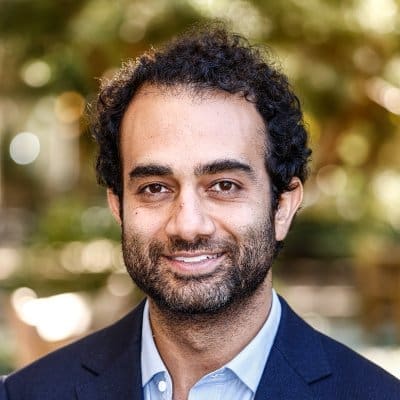
Shadi Hamid is a columnist at The Washington Post and Senior Fellow at the Alwaleed Center for Muslim-Christian Understanding at the Edmund A. Walsh School of Foreign Service at Georgetown University.
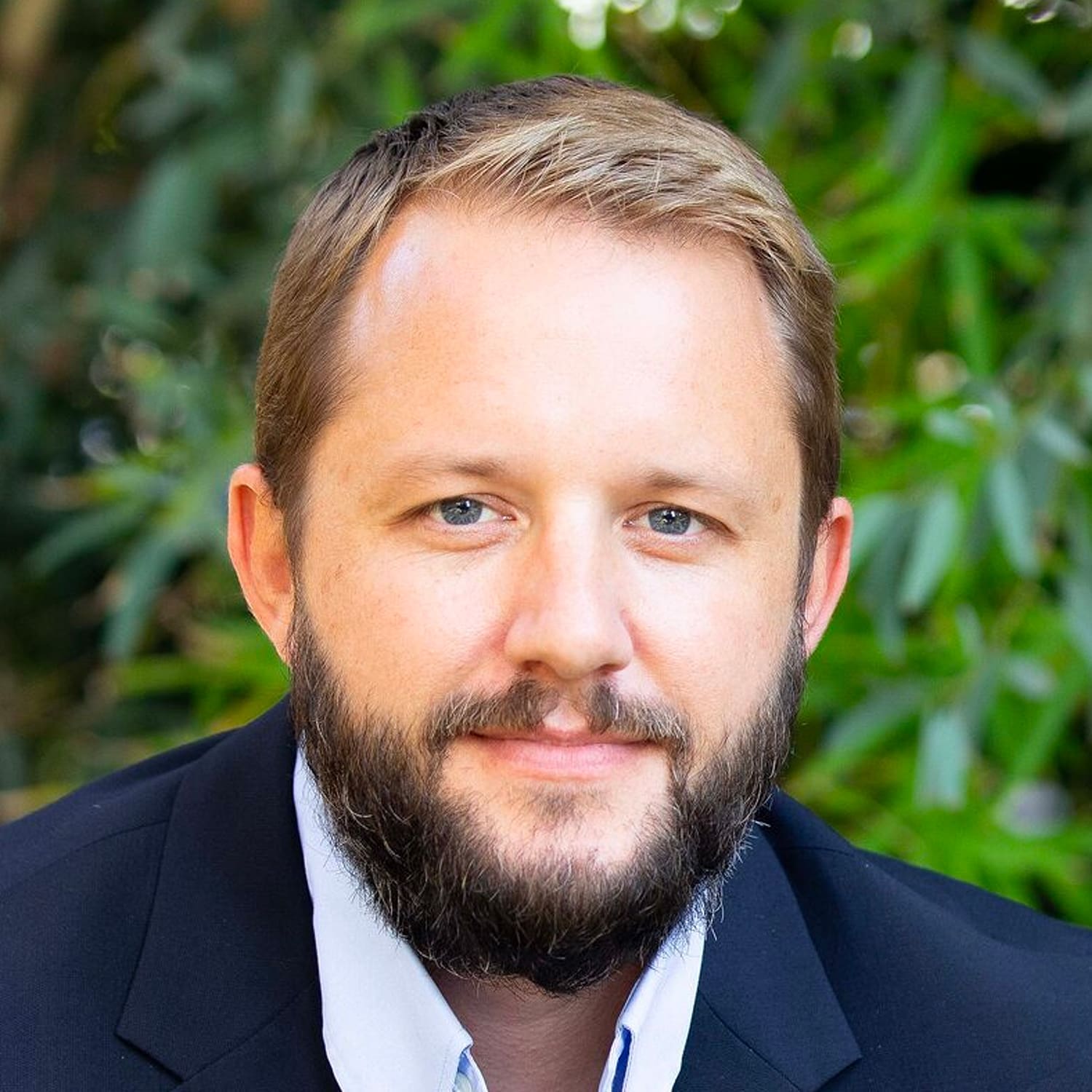
Matthew Kaemingk is Professor of Public Theology at Theological University Utrecht and Senior Fellow at the Center for Public Justice. He also co-directs the Templeton Pluralism Fellowship.
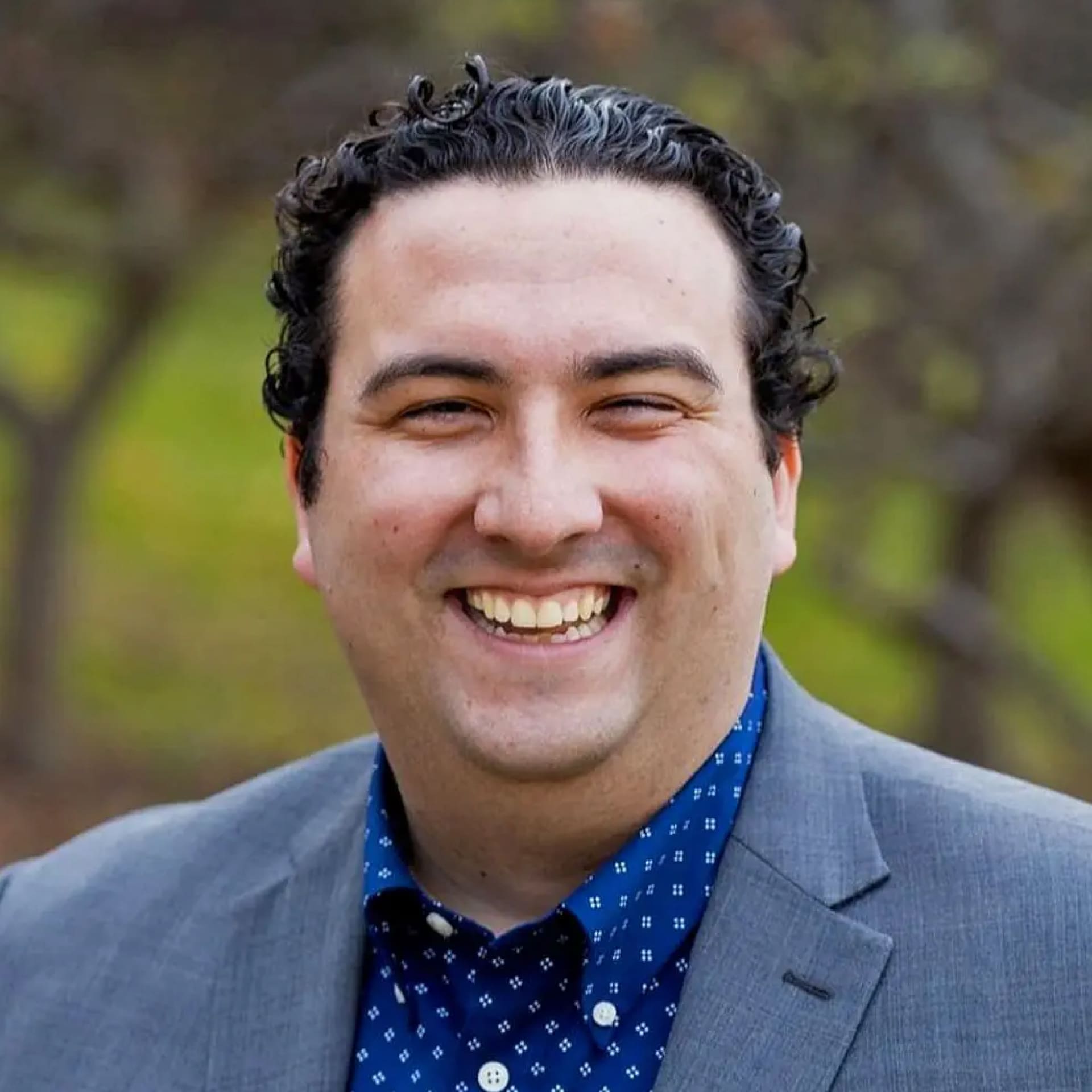
Michael Wear is the founder, president, and CEO of the Center for Christianity and Public Life, a former Obama White House faith adviser who directed faith outreach for the 2012 re-election campaign, and the author of The Spirit of Our Politics and Reclaiming Hope.
Love the show? Help others find it by reviewing it on your favourite podcast app. We also welcome your ideas and feedback. Email us at zealots@comment.org. Thanks for your support.
The Russian roots of Silicon Valley’s vision for biological immortality.
SITE DESIGN AND DEVELOPMENT BY POLYMATH