Institutional pathologies that undermine the common good.



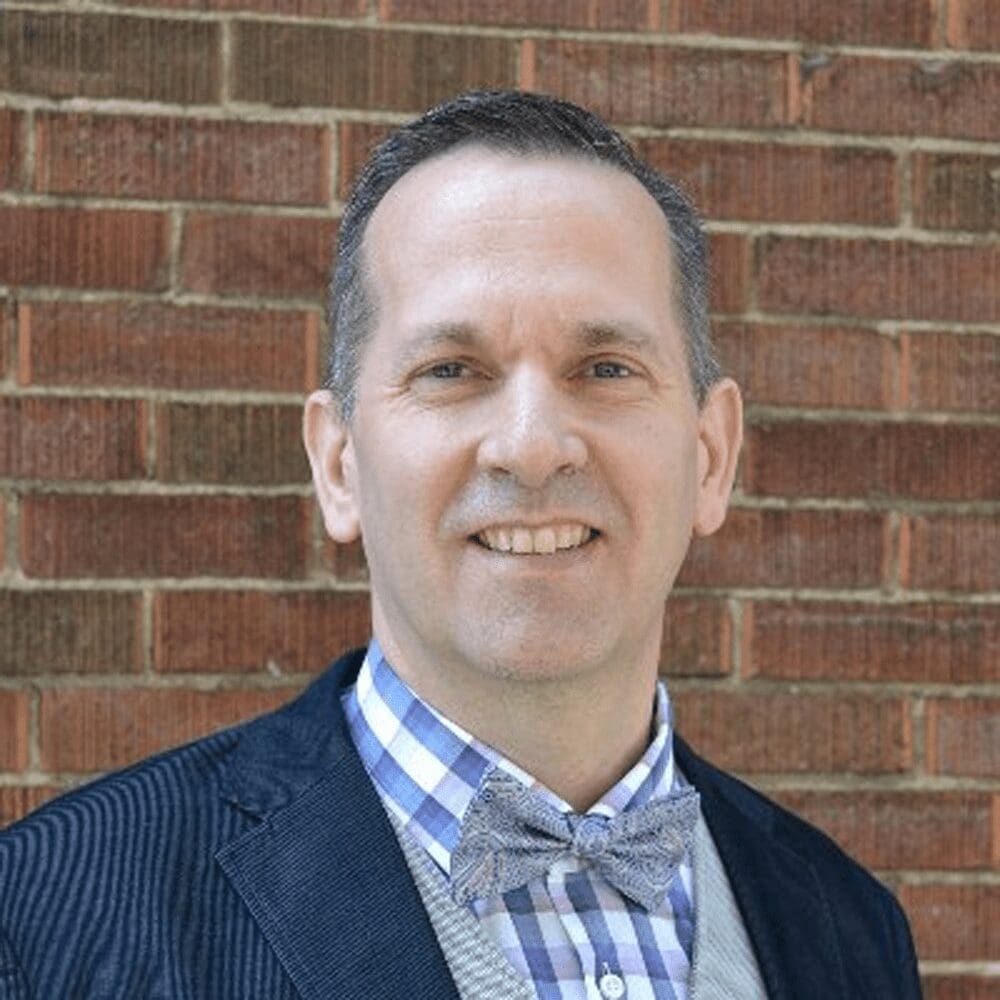
Milton Friesen was program director, Social Cities, for Cardus from 2008 to 2020. I moved from Cardus in 2020 and immediately took a position as the Managing Director of CitiIQ – a global city data firm based in Toronto. We scored 4000 cities and had a contract to develop the global COVID 19 dashboard that the UN used. I was there 2 1/2 years.
I am continuing urban planning consulting work focusing on Saskatchewan.
Core ideas that orient a significant amount of my work include the exploration of complexity science by means of various network approaches. Network dynamics are a persistent feature of our human interactions including the organizations, institutions and societies that Cardus is working to support and make sense of.
Urban planners are in constant interaction with these social structures at a wide variety of levels. I have found that computational modeling is valuable for these explorations alongside traditional statistics, machine learning, and spatial statistical approaches.
I am very interested in how organizations adapt to change (or fail to adapt) and cities are key players in this dynamic. Resilient enterprises at all scales invest energy in designing and nurturing intelligent processes that allow room for surprise, novelty and feedback. These reflect the social infrastructure dynamics that the Social Cities program actively explores.
Research development themes include a nearly completed Ph.D. at the University of Waterloo School of Planning that is focused on new ways to measure the social fabric of neighbourhoods, as well as participating in the Waterloo Institute on Complexity and Innovation .
I have written a number of articles for Municipal World and serve on the Steering Committee of the Thriving Cities Project (Institute for Advanced Studies in Culture) at the University of Virginia. I am a member of the Computational Social Sciences Society of the Americas as well as the Congress for the New Urbanism.
I have served a three-year term as an elected municipal councillor and run in two other municipal campaigns (including a mayoral race) that did not lead to election. The Social Cities program has been a regular participant in the annual Federation of Canadian Municipalities Trade Show where new research, policy, and city building ideas are presented.
Michelle and I have four children. We live in a three-storey brick house in East Hamilton.

Institutional pathologies that undermine the common good.
Where will the public meet if churches disappear?
The art of organizational vitality.
Our lives could be recorded as a continuous line representing movement in space from conception to dissolution. What would such a line tell us?
Updates from Cardus on the renewal of social architecture
A data scientist uncovers the power of hidden algorithms that carry out digital injustice.
The invisible power of trust.
Updates from Cardus on the renewal of social architecture.
Adding new dimensions to our city maps.
Shining a light in the shadowed backstage of global cities.
Our Social Cities program asks, Are local faith communities growing or shrinking? Are people more or less involved in neighbourhood groups than they have been in the past?
The consequences of turning our decisions over to algorithms.
The consequences of turning our decisions over to algorithms.
How HBO teaches us to exegete our cities.
We can talk to almost anyone in the world, but have trouble growing relational significance in our lives. This is precisely the challenge of meaning and purpose that should draw both municipal leaders and faith based organizations to collaborate more effectively.
We need models. But if a careful humility does not accompany their application, history tells us that there are many other blind alleys we can yet drive down.
There is an art to spending time in a vehicle together, figuring each other out on the fly, over thousands of kilometres.
We will need significant historical, ethical, moral, and philosophical sophistication to maintain critical tensions between individuals and the crowd.
Everyone in this debate is overdue for a more mature and nuanced ability to communicate and relate.
What would city building look like if stopped defaulting to more, and arranged what we have into new combinations?
Organizational practices and habits forged in decades past are deep into the land of diminishing returns.
First in a 2010 Comment series on good business.
We at Comment asked some of our regular contributors to respond to Brian Janaszek’s January 29 salvo on open source software and conviviality.
Business is personal, and with its ranges of activities across moral, ecological, social and creative spectrums, it always has been.
I've always loved to draw. But the carefree drawing of early childhood gradually 'matured' to a conscious emphasis on technique and comparison. I remember at the age of 10 sitting down with a Glen Loates Birds of North America book that contained finished paintings...
I turn my inventive passion toward ideas for making businesses, schools, churches, and other organizations cooler and more interesting, which makes me an organizational designer.
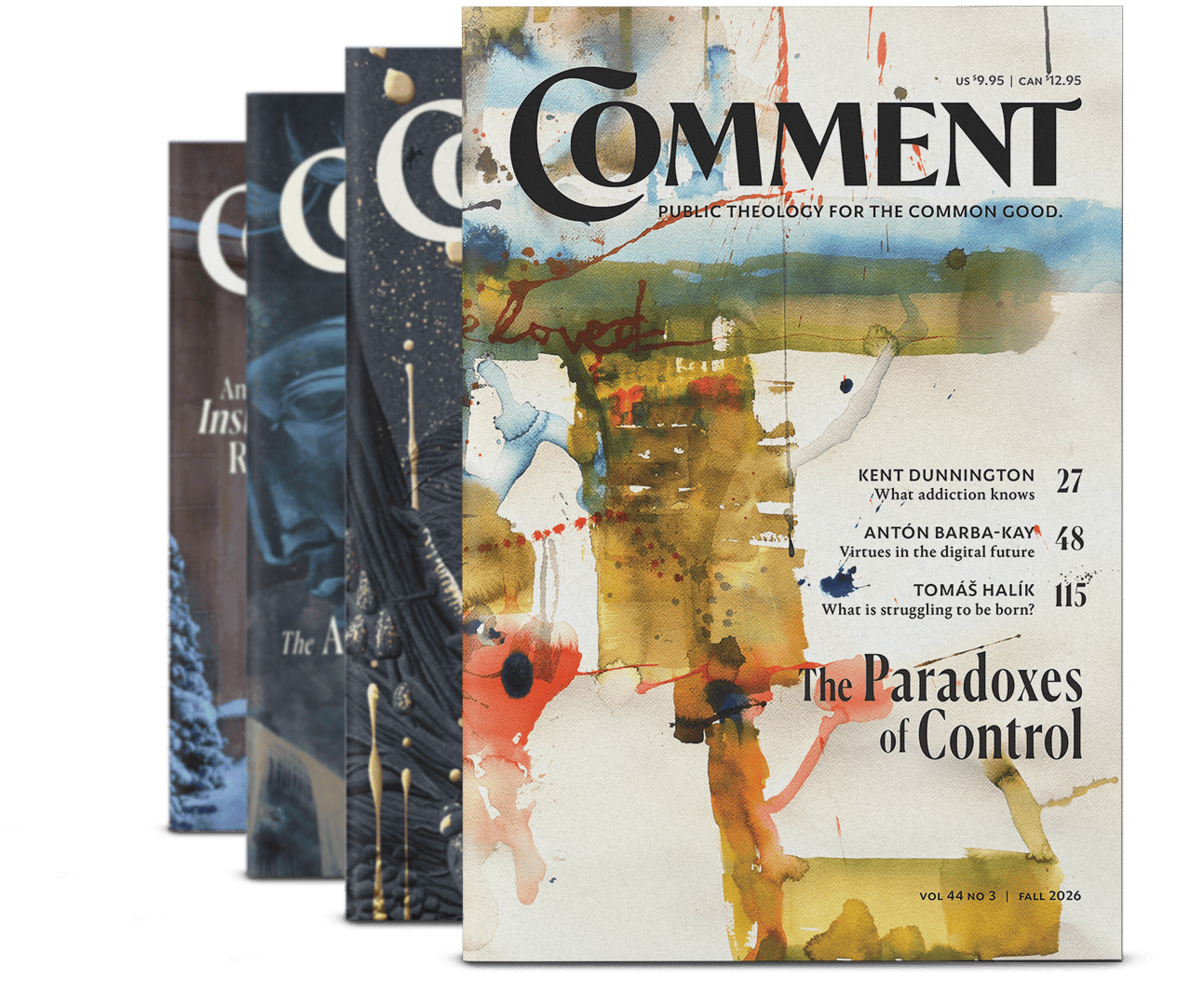
Receive our print magazine and get instant digital access to our current issue and our entire archive. Listen to longform essays, bookmark articles, save your reading location, and more.

In Praise of Lev Gillet (1893–1980).
SITE DESIGN AND DEVELOPMENT BY POLYMATH