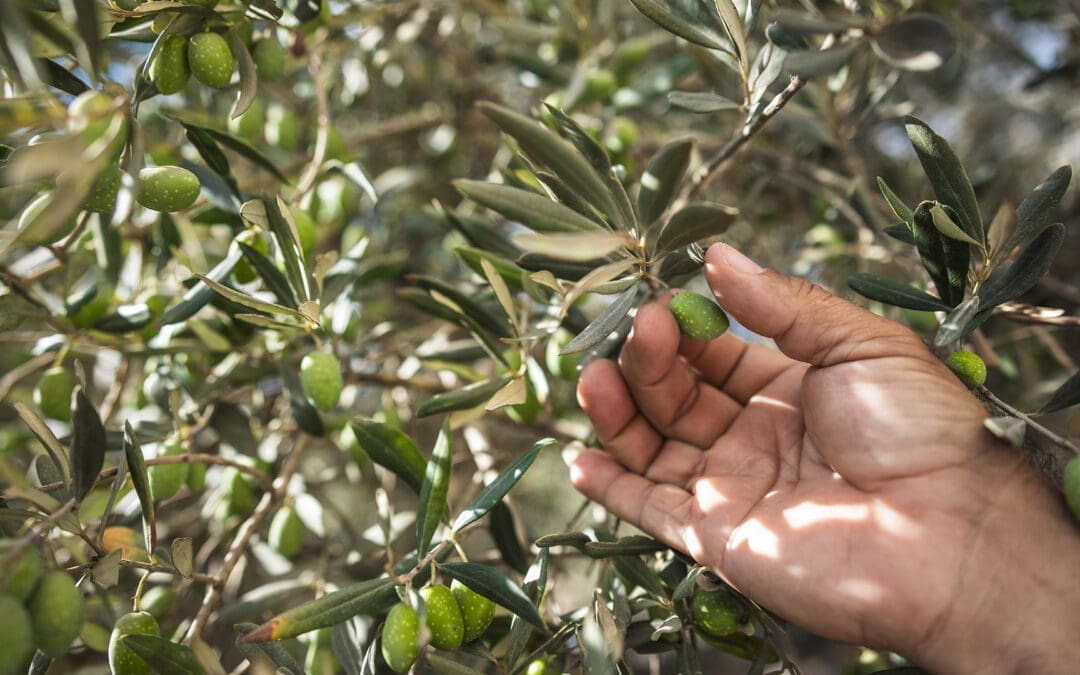
Combatants for Peace.
To access this content, you must purchase Unlimited Access – Gift (Subscription), Digital (Subscription) or Unlimited Access (Subscription).



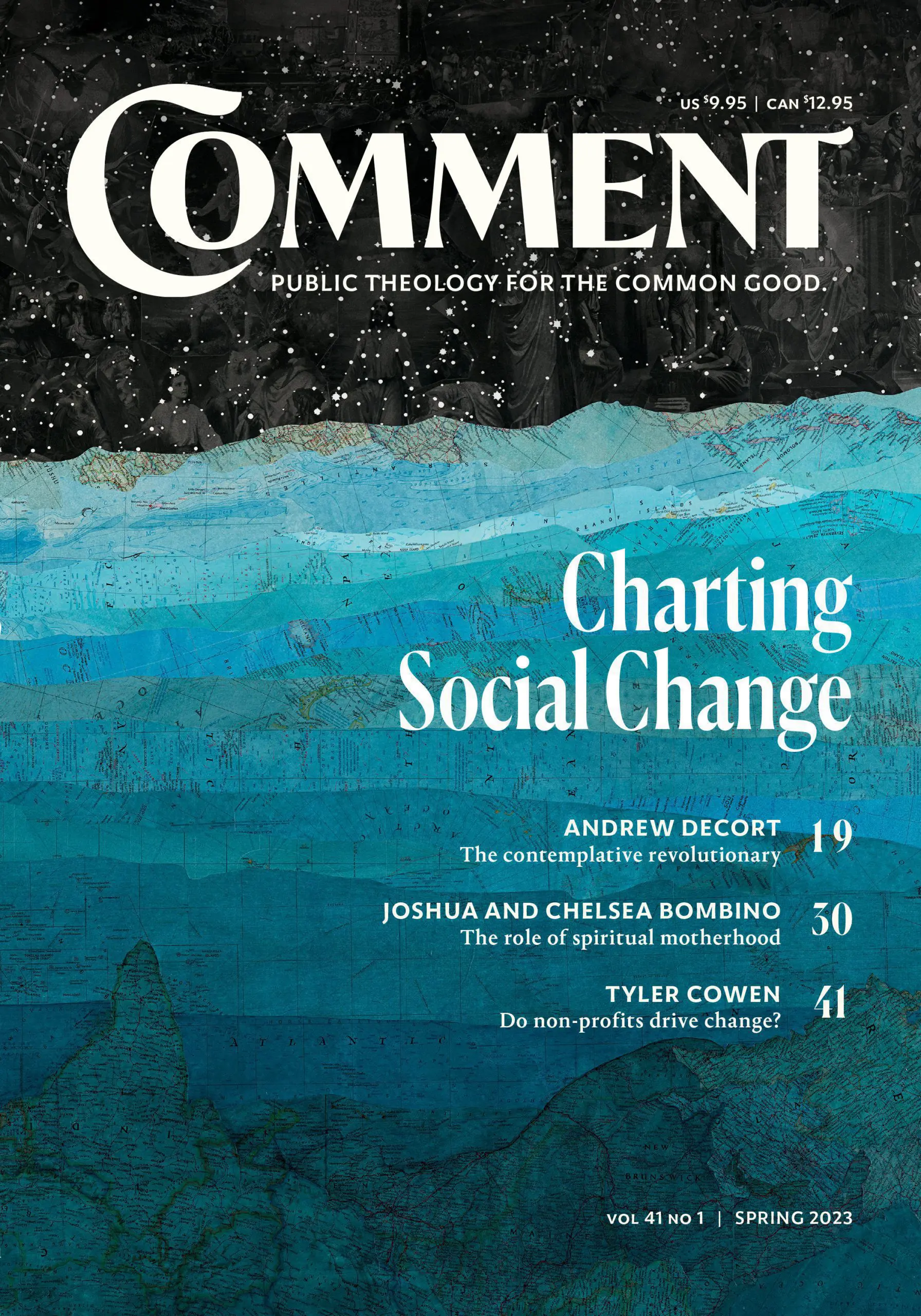
What causes change in the norms and orthodoxies of a society? We’re familiar with change induced by outside forces: a technological advance, a natural disaster. But when we want to change something, whether animated by an ideal or in reaction to the status quo, what’s at play, especially when it works?
The question may be a peculiarly modern one. We live in times when agency is at once vaunted yet elusive, our unprecedented powers of reach, data, and technological mastery somehow yielding not glory but a mass sink into numbness. Low-grade nihilism simmers just beneath the surface of everyday conversation, the desire for impact birthed in secular zeal soon stymied by chokeholds of institutional breakdown and pixelated trust. With several generations having passed since a spokesperson for justice was able to inspire and unite the masses in moral movement, many experience today’s wicked problems as insurmountable. Cynical indifference tempts both humble and ambitious alike, and, still more concerning, an entire generation of young adults.
Comment’s next two issues are going to explore this in two parts. Our spring issue will perform an x-ray on today’s paradox of agency while asking afresh how culture actually changes. And our summer issue will dive into some narratives of those historic seedbeds of social and moral movements that incubated quietly, intentionally, and with great patience and trust. We hope that our writers’ explorations of both the analytical and the exemplary will be of interest to philanthropists and historians, non-profits and artists, theorists of cultural change and all those keen to recover a sense of coherent momentum in human affairs.













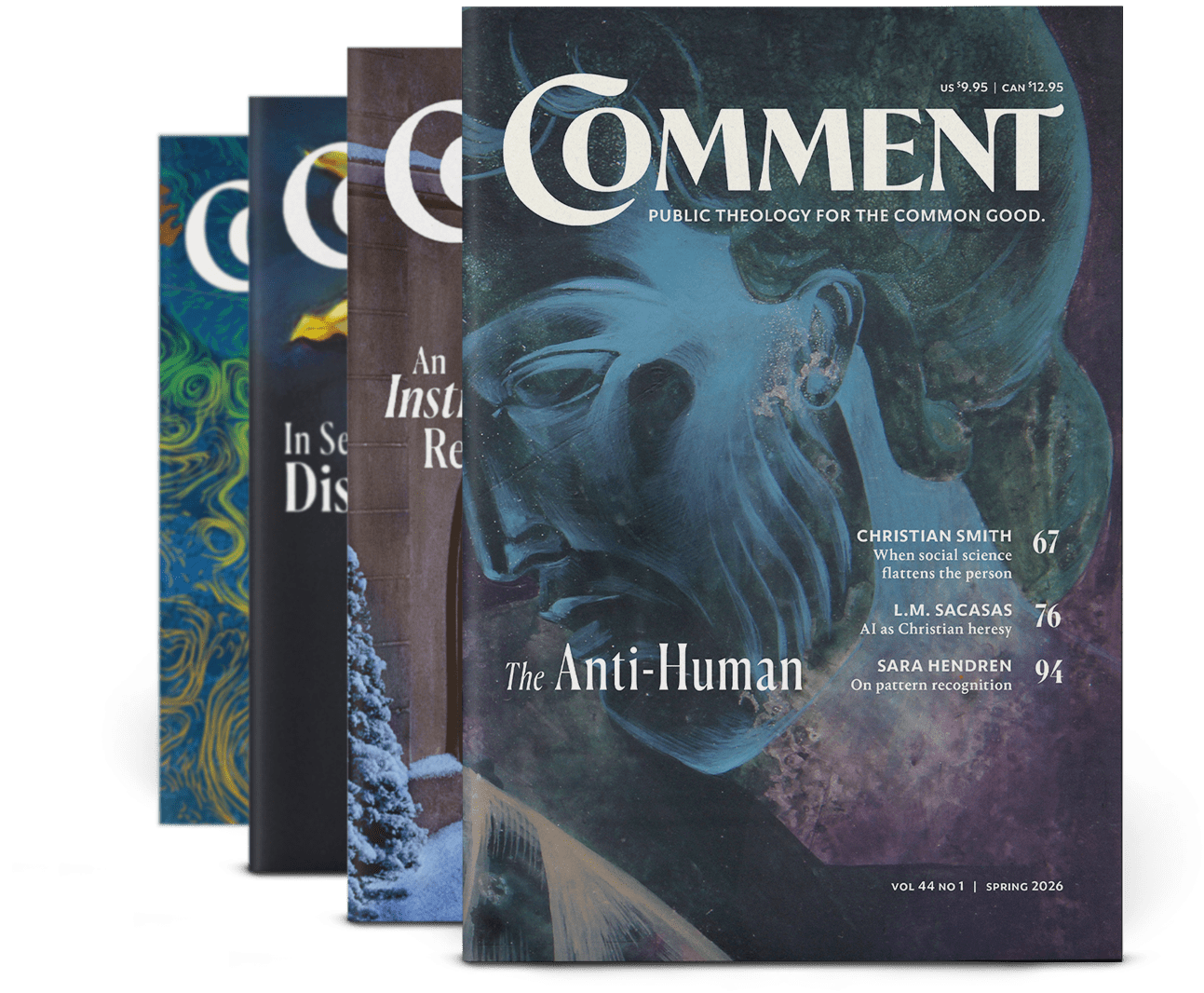
Receive our print magazine and get instant digital access to our current issue and our entire archive. Listen to longform essays, bookmark articles, save your reading location, and more.