

A
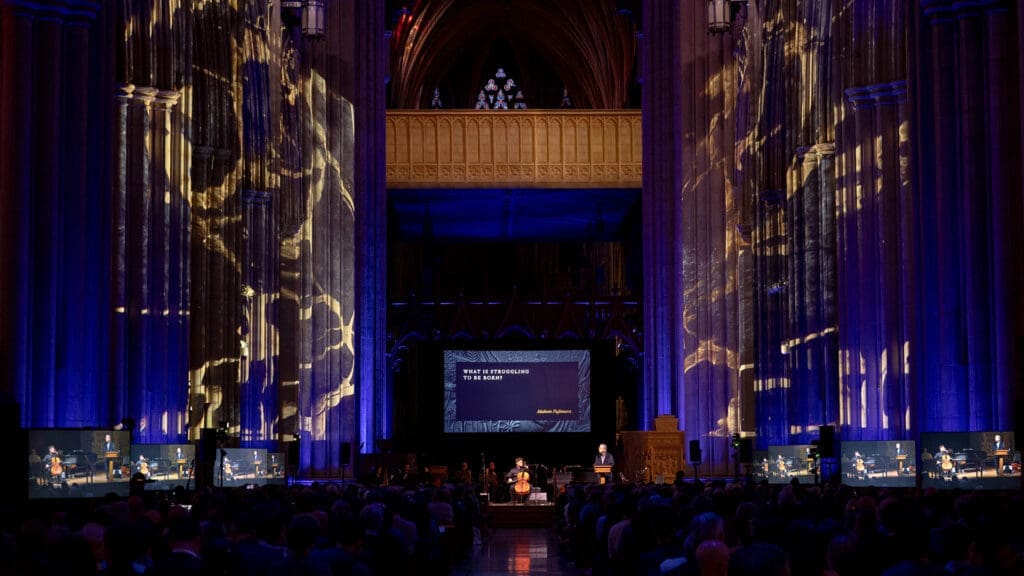
As the timpani rolls, pianissimo at first, I lift my hands above the keys and wait for the downbeat.
Now.
Piano and strings strike together. Fortissimo. My arms fall and drive the opening A–G♯–E chords down the length of the keyboard, a year’s worth of preparation released into the keys.
I am eighteen, a high-school senior, and for more than a year I have lived inside Edvard Grieg’s Piano Concerto in A Minor. For the first several minutes of this capstone performance I am running on nerve and conscious memory, attention narrowed to its finest point, the mind staying two bars ahead of my hands. Every entrance feels like a decision, each transition a high wire to cross without looking down.
But slowly, as the music gathers its own force, months of scales and arpeggios, pencilled notes and pedalling imperatives settle beneath the level of awareness, clicking into an inner grammar. I begin to let the trills run long, revelling in their quicksilver delicacy. I lean against the beat, stealing time from one measure to stretch the next. I give the weight of my arms to gravity and plunge into the bass chords, letting them darken into a terrifying undertow. The melody drifts to the clarinet and returns bearing traces of wood and wind.
This is living, riding whitewater with the orchestra. No longer clinging to the mechanics of our training, we are co-creating an interpretation that shimmers with risk and unrepeatability. I have forgotten myself on this stage, caught up in the current of a great mutual listening. We are, the many and the one, for a few exquisite minutes, free.
If you’ve ever devoted yourself to a craft or to a community, I imagine you recognize this sequence: the long apprenticeship to discipline before the moment that no amount of discipline can command or predict. For years I carried this memory as a map through the varied terrain of life, helping me mark where control belongs and where it must yield to the larger rhythm of our second-by-second encounter with the world. Whether you’re stepping onto a concert stage, preparing your table to welcome neighbours for dinner, piloting an aircraft through a storm, delivering a baby, or undertaking any other act of creative love and responsibility, there comes a moment when preparation gives way to the fearsome beauty of a reality that begins to answer back. Control, up to this threshold, can be a means to the magic. A path into open country.
I have been humbled by how difficult it is to, well, control control.
But as this century has worn on, and the volatility of history shows no sign of abating, I have been humbled by how difficult it is to, well, control control. The tempo of our times seems to compress the intervals in which one posture can give way to another. There’s little luxury of sequence. Everything is all at once, all the time.
The muse of this issue, German sociologist Hartmut Rosa, has named this predicament with a clarity that makes what can feel like an insanity-producing feature of our age seem less like a personal indictment than a structural condition. Modern life, Rosa argues, is organized around the seductive aspiration to render the world ever more available to us: to make it visible, reachable, manageable, useful. And by any measure, we’ve succeeded. Never before has so much of the world lain within human grasp. Yet we find ourselves strangely unable to receive it. The moments that make us feel unmistakably alive—what Rosa calls resonance, when the world is no longer merely before us but somehow with us—cannot be summoned by force of will, by perfect prediction or prescription, or by mastering all of the relevant information. They arrive, instead, as gifts borne on the currents of the very thing we work so hard to avoid: uncontrollability.
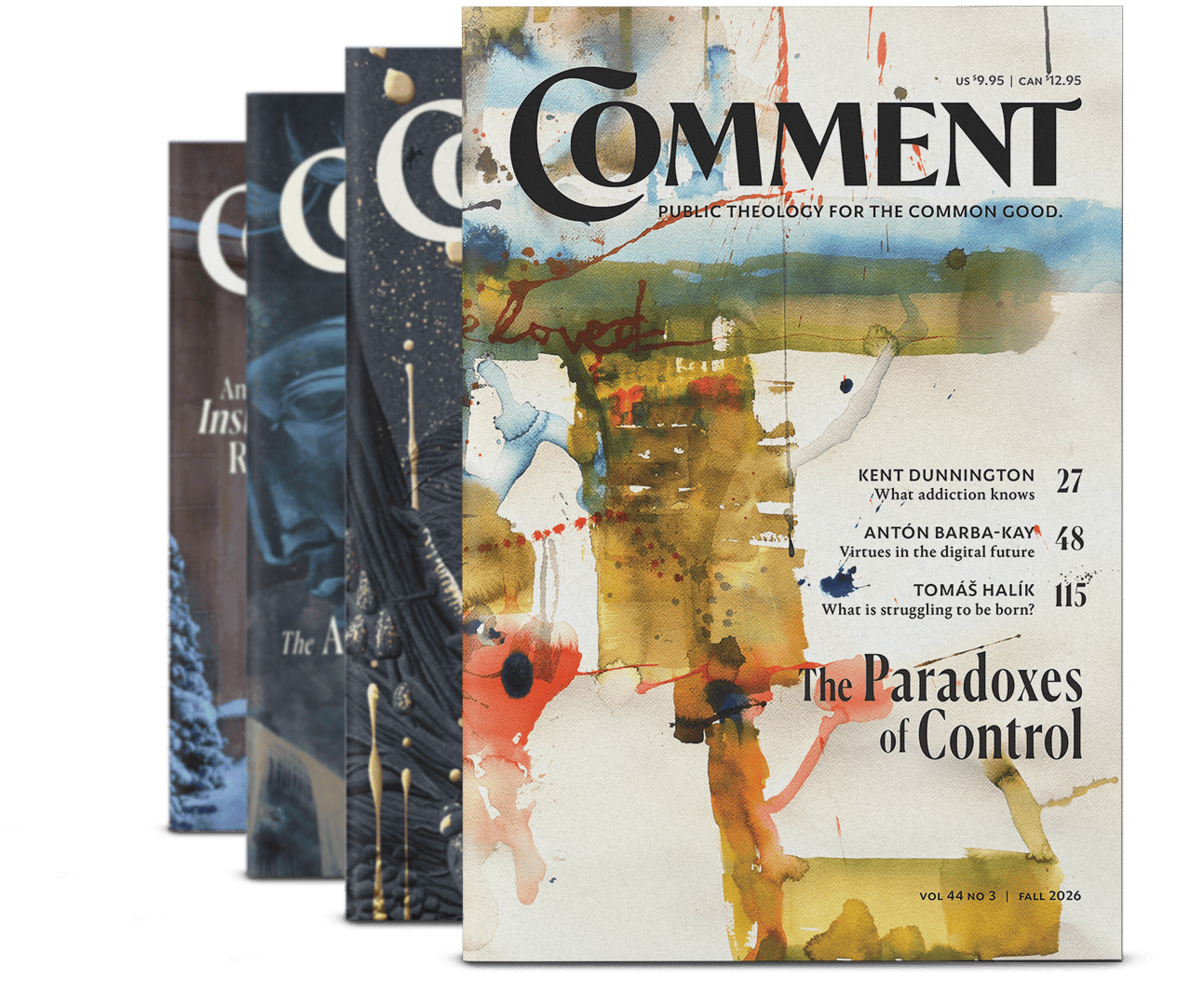
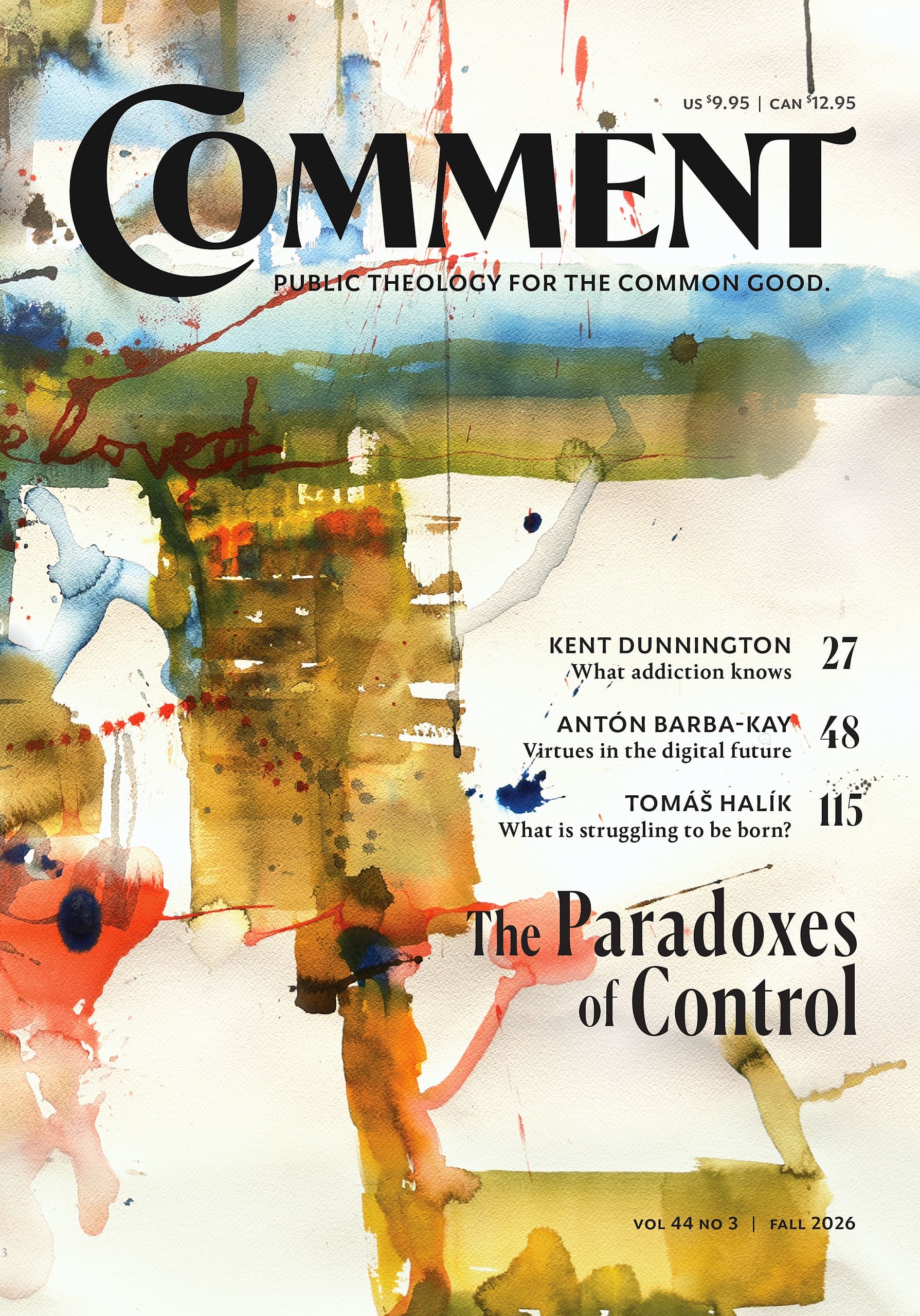
The essays in this issue unfold from within this paradox. None of us wants a dead, mute world. How, now, do we create the conditions under which living things can answer back?